
In this blog post, we’ll dive deeper into the 2023 release wave 2 for Dynamics 365 Finance and Supply Chain ...
Learn more
Dual-write does more than just move data, it creates a bi-directional, near‑real‑time bond between the Microsoft Dataverse and Finance & Operations. Critical entities like project contracts, contract lines, billing milestones, projects, and resources are continuously synchronized out of the box. This means a project manager entering a fixed‑price contract or an approved time entry in Project Operations instantly sees it reflected in Finance’s project management and accounting module, ready for financial processing.
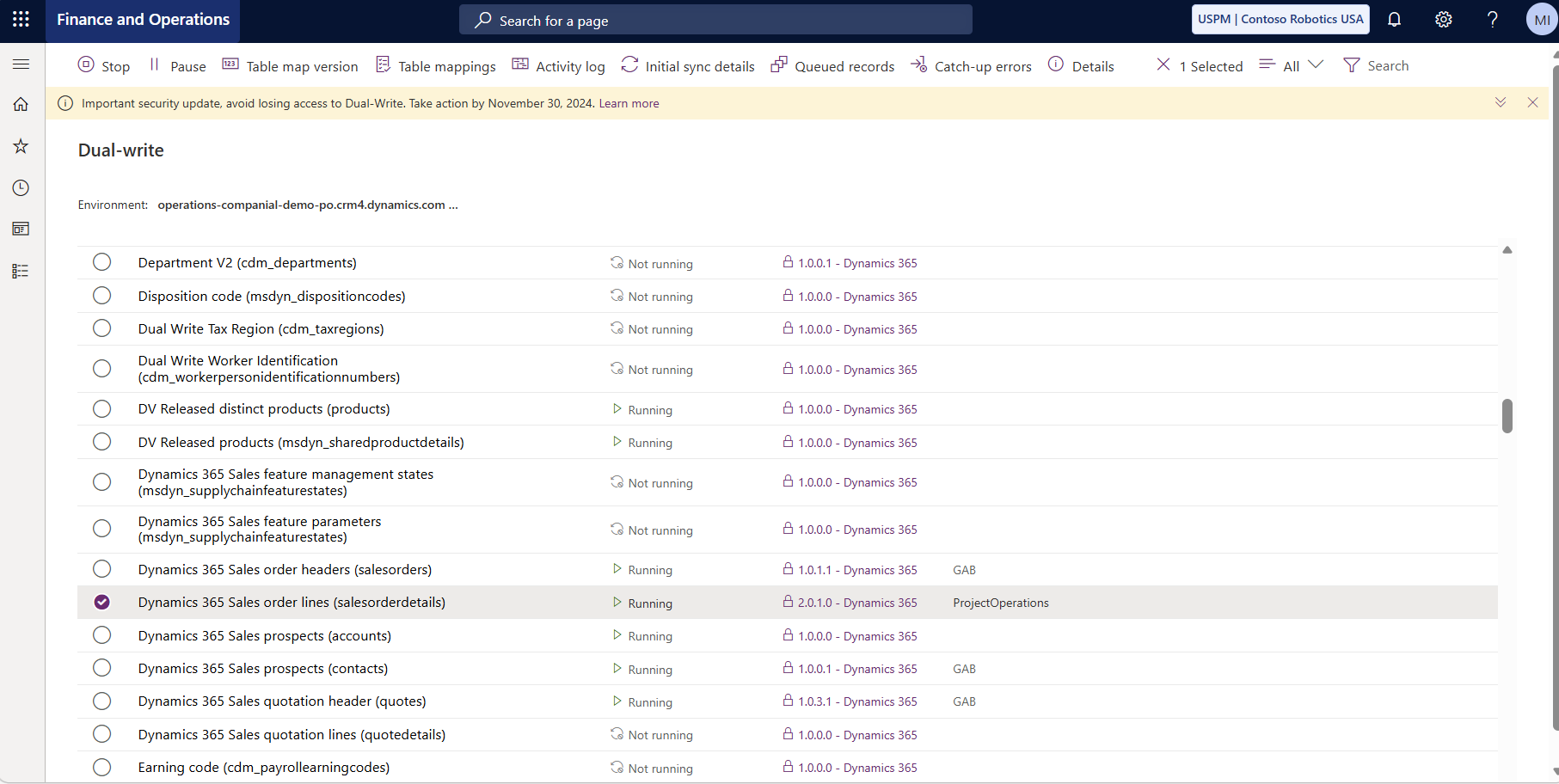
In Project Operations, contracts are created with either Time & Material or Fixed Price / Milestone‑based billing. Milestone definitions and invoice schedules are attached to the project’s task billing setup. When dual-write synchronizes these to Finance, accounting distributions and tax policies are automatically applied, readying them for financial posting without re-entry.
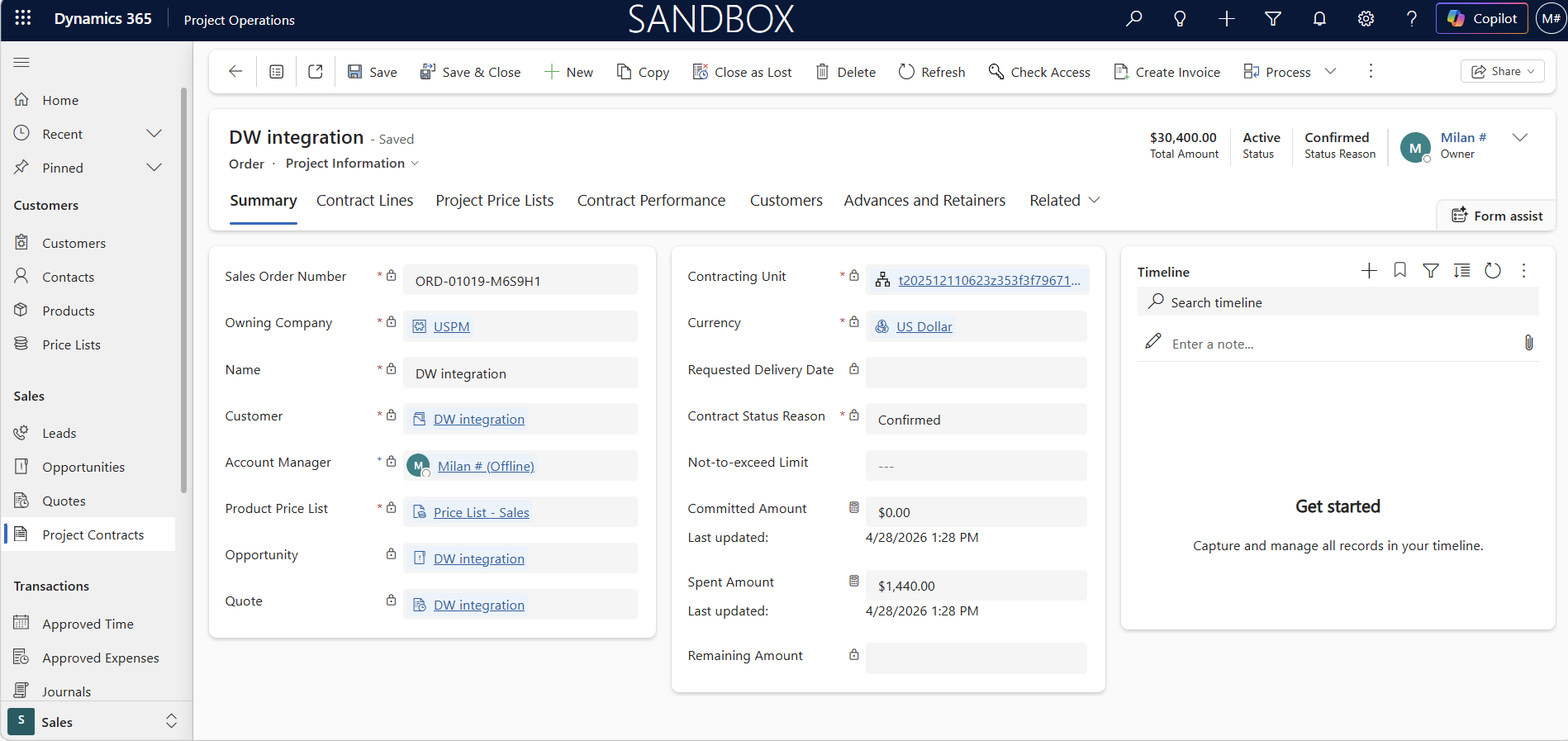
Consultants log time and expenses directly in Project Operations. These entries are approved against the contract terms. As soon as they’re approved, they flow via dual-write into Finance’s project invoice proposal engine.
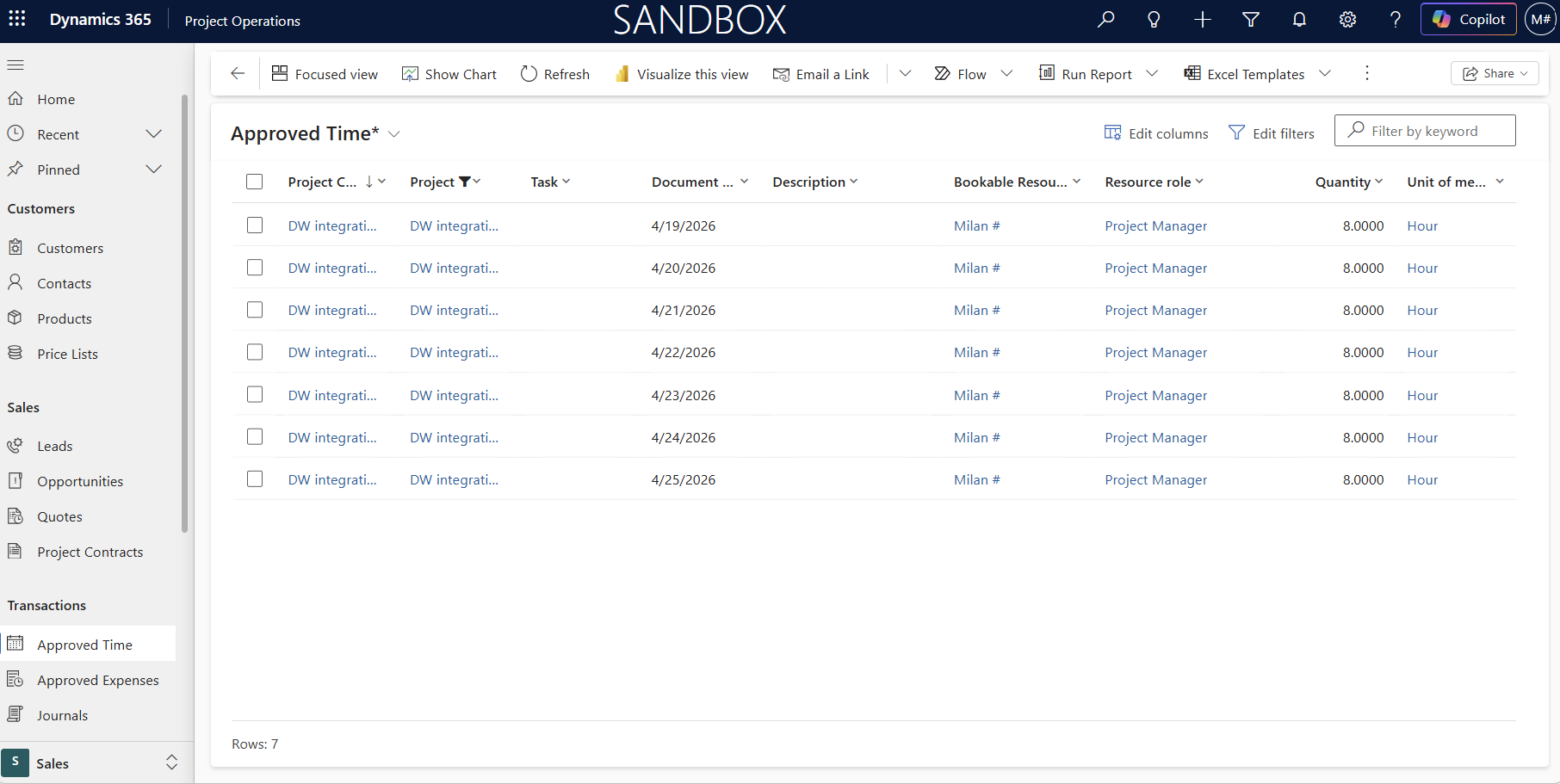
When user clicks Confirm on the invoice form, Project Operations finalizes the invoice and locks it as read-only. The system then generates billed sales actuals for GL integration and updates the invoice status from Draft to Confirmed.
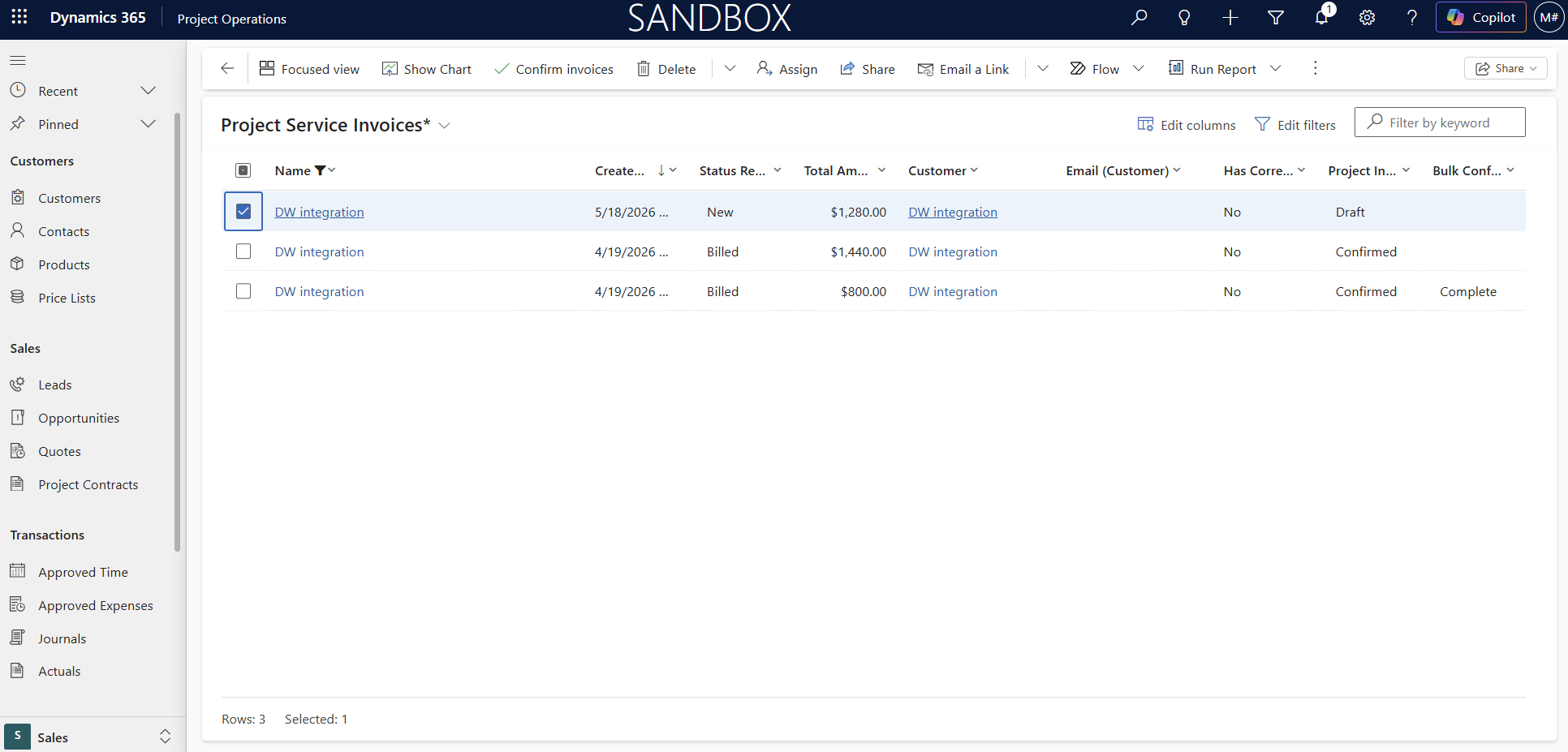
After an invoice is confirmed in Project Operations, it automatically flows through and appears in the Finance. The invoice proposal honors the organization’s sales tax regulations, ledger dimensions, and revenue recognition rules (critical for both T&M and milestone‑based arrangements).
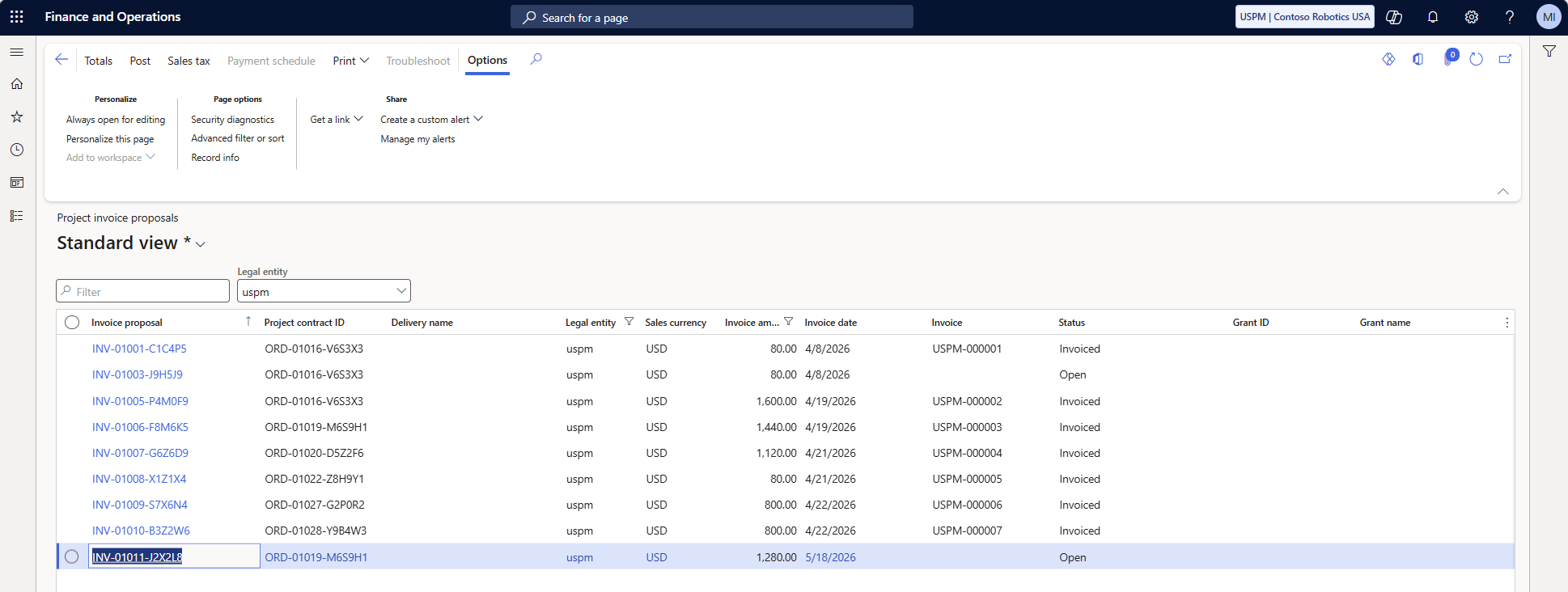
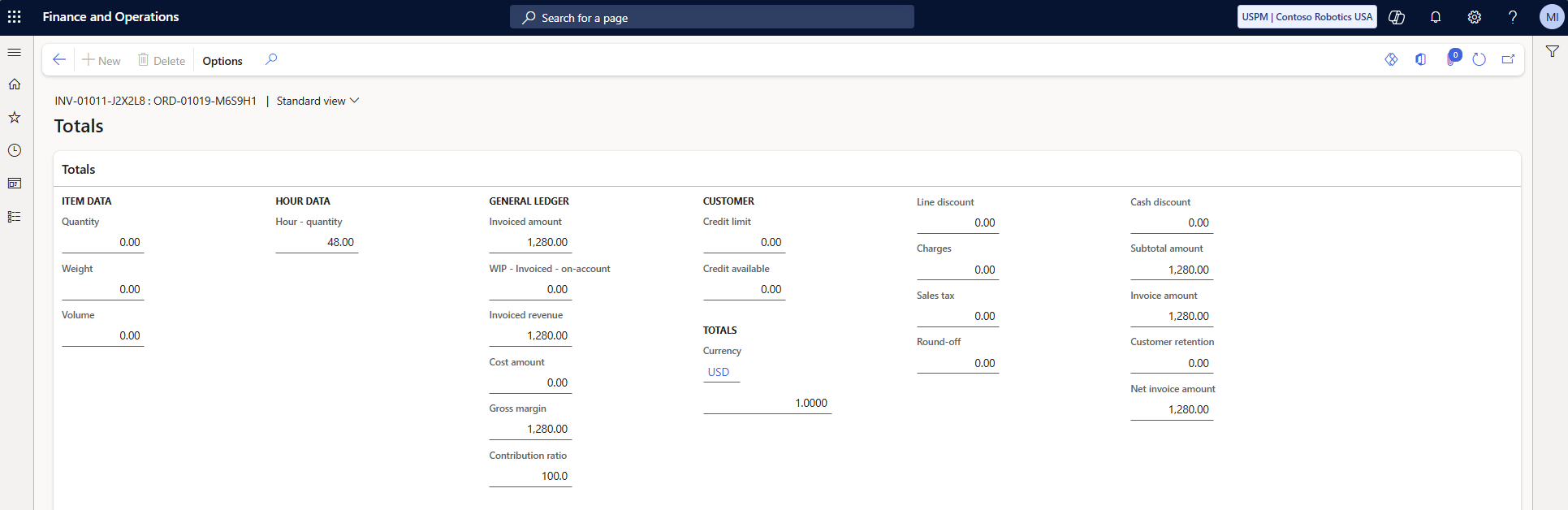
The finance team reviews the draft invoice total, adjusts if needed, and then posts. This action finalizes the project invoice proposal, so it becomes a legal financial document, ensuring the general ledger and customer accounts are updated.

Experienced Power Platform Consultant
Milan Nikolic is an experienced Power Platform Consultant who helps Microsoft Dynamics partners and enterprises scale their operations through intelligent automation. With a deep technical focus on Power Platform, he designs secure, end-to-end solutions that eliminate manual workflows, optimize data integrity, and accelerate modern business agility.
Milan Nikolic is an experienced Power Platform Consultant who helps Microsoft Dynamics partners and enterprises scale their operations through intelligent automation. With a deep technical focus on Power Platform, he designs secure, end-to-end solutions that eliminate manual workflows, optimize data integrity, and accelerate modern business agility.
Latest posts by Milan Nikolic (see all)


Running Dynamics 365 Finance & Supply Chain Management Data Export with Azure Data Lake V2 and Azure Synapse: Real-Life User Story
In this blog, we’ll explore the process of synchronizing data from Microsoft Dynamics 365 Finance & Supply Chain Management to ...
Learn more
What’s New in the 2023 Platform Updates for Microsoft Dynamics 365 Finance & Supply Chain Management: Part 2
In this blog, we’ll provide you with a comprehensive overview of the upcoming and recently released improvements in Dynamics 365 ...
Learn more
What’s New in the 2023 Platform Updates for Microsoft Dynamics 365 Finance & Supply Chain Management: Part 1
As Microsoft Dynamics 365 Finance and Supply Chain Management (previously known as Finance and Operations) receives 8 platform updates annually, ...
Learn more
Catch the Momentum of “Bridge to the Cloud 2” Promotion: An Exclusive Opportunity to Migrate your Dynamics AX Customers to Dynamics 365 F&SCM Cloud
Are you looking to modernize your Dynamics AX customers’ business processes and take advantage of the latest Microsoft Dynamics 365 ...
Learn more
GIT and Dynamics 365 Finance & Supply Chain Management: How to Use Code Repositories in the Most Efficient Way (Part 2)
In part two of GIT for Dynamics 365 Finance & Supply Chain Management series, we’ll focus on best practices utilizing ...
Learn more